Learning guide
How to learn Japanese: a getting-started guide
A practical path from zero to reading and watching real Japanese: the kana, a starter vocabulary with Anki, kanji without the grind, grammar, comprehensible input, the free tools, and what to watch and read first.
The short version
- Learn hiragana and katakana. A few days to a week each. Reading them, not writing them.
- Install Anki and start Kaishi 1.5k, a free deck of the 1,500 most useful words, at 10–20 new words a day.
- Read one short grammar explanation a day from a single beginner guide. Don't try to memorise it.
- Start immersing now, not later. An hour or two a day of anime, manga, YouTube, visual novels or graded readers, with Japanese subtitles or a pop-up dictionary.
- When Kaishi runs out, make your own cards from words you meet in what you read and watch.
- Keep going every day. Hours of understood Japanese are what make you better; everything else exists to make those hours possible.
Short on time, or learning for one thing in particular? The routine chapter has a plan for 30–45 minutes a day and notes on what to emphasise if your goal is anime, novels, travel or work.
The chapters
Read them in order the first time; after that, jump to whatever you're stuck on. Links marked with an arrow go to other sites and open in a new tab, so you won't lose your place.
- Kana and pronunciationLearn to read both kana scripts in days, not months, and get the sounds of Japanese right from the start: charts, spelling quirks, the mora rhythm, and the handful of sounds English speakers get wrong.
- Vocabulary and AnkiWhy the first thousand words matter so much, how to set up Anki with FSRS and the Kaishi 1.5k deck, how to review without fooling yourself, and when to stop using pre-made decks.
- KanjiHow kanji are built and read, why learning them through words works, the three routes learners take (and what each costs), and when to learn to write them.
- GrammarGrammar as a map, not a checklist: the core ideas of Japanese sentences, how to study grammar in passes, and an honest comparison of the free guides, videos and textbooks.
- Sounding naturalWhy textbook Japanese sounds stiff, and what real speech does instead: plain forms, contractions, dropped particles, sentence-ending particles, fillers and back-channelling, onomatopoeia, slang, anime role language, Kansai dialect and when politeness still matters.
- Immersion and toolsComprehensible input without the hype, when to start, active and passive listening, intensive and extensive reading, why you don't understand what you hear, and the free tools that make native content readable.
- What to watch and readBeginner-friendly podcasts, YouTube channels, graded readers, anime, films, manga, visual novels, games and books, ranked by measured difficulty from Jiten.moe, with the all-ages status of every visual novel checked, and a finder that filters every title in the guide.
- Speaking and pitch accentWhen to start speaking, what to practise before your first conversation, how to get something out of tutors and exchanges, pitch accent explained, and learning to write.
- Routine and milestonesSample routines for your first week and first months, a plan for 30–45 minutes a day, what to emphasise if your goal is anime, novels, travel or work, milestones, what to do when progress feels invisible, and how to stay consistent through bad weeks.
- IntermediateWhat intermediate means, why progress seems to slow down, and what to change: reading volume, Japanese-Japanese dictionaries, casual listening, grammar review and first conversations, with a ranked list of anime, dramas, manga, books and games for this stage.
- Upper intermediateWhen most entertainment is comfortable but some things still aren't: fast group talk, specialist dramas, long novels, native radio and podcasts. How to widen your range, speed up reading and start producing natural Japanese, with harder recommendations.
- AdvancedThe long road past N1: modern and Meiji-era literature, news and editorials, keigo you can actually use, formal writing, idioms and four-character compounds, dialects, classical Japanese and kanji proficiency, and the hardest popular media.
What to expect
Japanese is a long project for an English speaker. The US Foreign Service Institute places it in its hardest group, around 2,200 classroom hours to professional working proficiency, and flags it as harder than the other languages in that group. Three writing systems, a word order that runs the other way, and very little shared vocabulary all add up.
The JLPT, and how many hours
The Japanese-Language Proficiency Test (opens in a new tab) is the standard certificate: five levels, sat in July and December. It tests reading and listening only, and its organisers no longer publish word or kanji lists for each level. The Japanese Language Education Center's survey of learners (2010–2015, as cited on Wikipedia) gives a feel for the hours involved:
| Level | What it certifies | Hours, no kanji background |
|---|---|---|
| N5 | Some basic Japanese: kana, basic kanji, slow short conversations | 325–600 |
| N4 | Basic Japanese on familiar daily topics | 575–1,000 |
| N3 | Everyday Japanese to a certain degree; newspaper headlines | 950–1,700 |
| N2 | Everyday situations and newspaper articles; near-natural-speed speech | 1,600–2,800 |
| N1 | Japanese in a wide range of situations, including abstract and complex texts | 3,000–4,800 |
Learners who already read Chinese characters need less: about half as long for N1. The exact numbers matter less than the scale: the path is measured in thousands of hours, and daily immersion is how people fit thousands of hours into a life.
Milestones people report
| Around | What it feels like |
|---|---|
| Week 1–2 | You can read kana, slowly. Signs and song titles start to look like words instead of shapes. |
| Month 1–3 | Anki words start turning up in shows. Graded readers and easy manga are readable with a dictionary. |
| Month 3–6 | You finish something real: a manga volume, a short visual novel, a season of slice-of-life anime. |
| Year 1+ | Reading turns into entertainment rather than study. You choose things by interest, not difficulty. |
Those assume an hour or two a day. TheMoeWay puts it in terms of volume instead: after about ten anime series watched raw you start to get the hang of listening; after your first novel you leave the beginner stage. A Year to Learn Japanese describes the first big turning point as the “nope threshold”: the day native content stops being unbearable and becomes merely hard. Everything before it is about getting there sooner.
How Japanese works, in five minutes
A little orientation makes everything after it less mysterious.
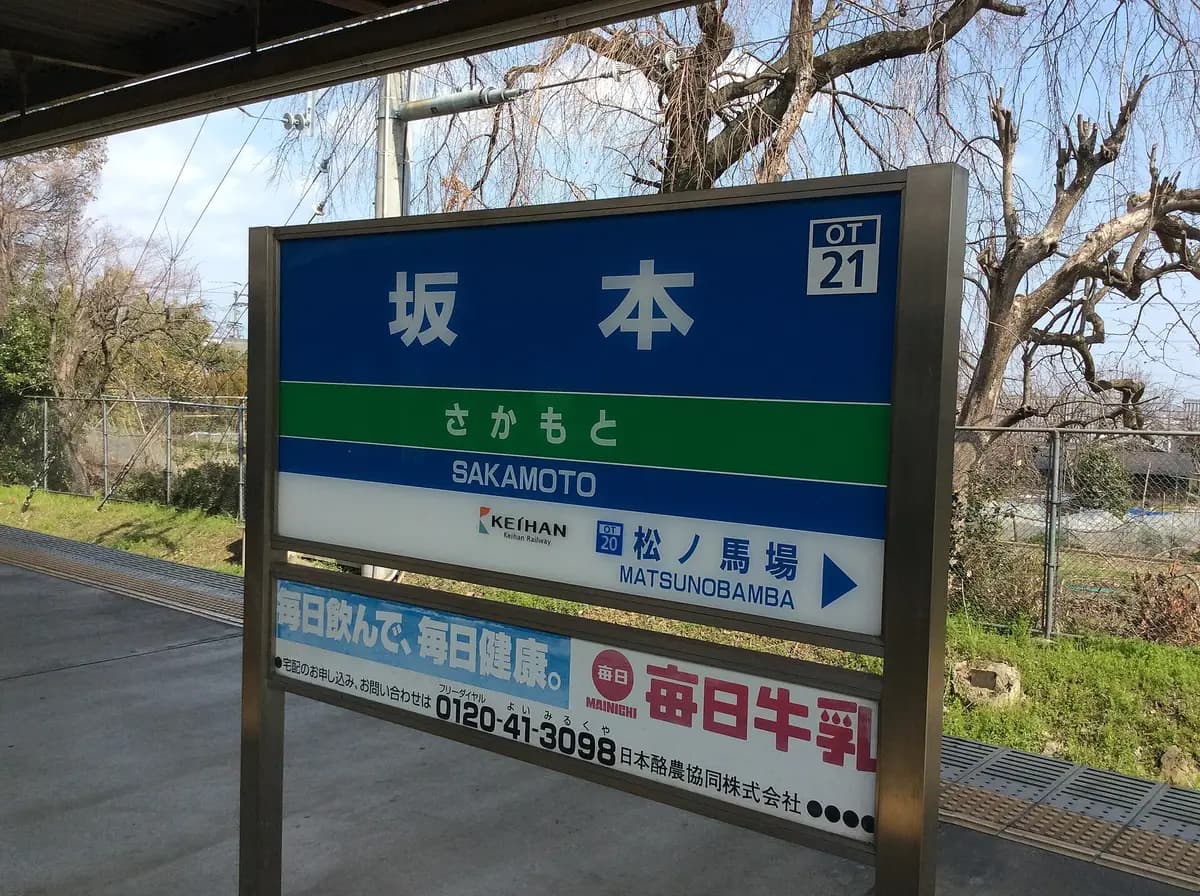
- Three scripts, mixed in every sentence. Kanji carry the meaning of most nouns and the stems of verbs and adjectives; hiragana writes grammar, endings and particles; katakana writes loanwords, names and emphasis. Romaji is for foreigners and isn't used in normal writing.
- No spaces. Words run together, and the switch between kanji and kana is what shows you where they begin and end. That's why text written only in kana is harder to read than it looks.
- Five vowels, few sounds. a, i, u, e, o, and every kana is one equal beat. Pronunciation is the easy part of Japanese for most English speakers.
- The verb comes last. The basic order is subject, object, verb, and small words called particles after each piece mark its role.
- Less grammar than you'd fear in some places. Nouns have no gender, no articles and usually no plural. Subjects are dropped whenever context makes them obvious: 日本に行きました is simply “(I) went to Japan.”
- Politeness is built into verbs. 食べます and 食べる both mean “eat”; the first is polite, the second plain. Textbooks start polite; anime and manga are mostly plain.
“I study Japanese every day.”
The grammar chapter goes further, including the particle everyone wonders about, は versus が.
Questions
How long does it take to learn Japanese?
Longer than most languages for an English speaker. The US Foreign Service Institute puts Japanese in its hardest group, at around 2,200 classroom hours to professional working proficiency, and marks it as harder than the other languages in that group. A survey of learners in Japan put the top JLPT level (N1) at 3,000–4,800 hours for people without a kanji background. With daily input you can follow easy manga and slice-of-life anime with a dictionary within months; comfortable novel reading usually takes a year or more.
Should I learn hiragana or katakana first?
Hiragana first, then katakana straight after. Both have 46 basic characters for the same sounds. Hiragana is everywhere in grammar, katakana mostly in loanwords and names. Together they take days to a week or two, not months.
Do I need to study kanji separately?
Not necessarily. Most immersion guides recommend learning kanji through the words they appear in, with a vocabulary deck and then reading. Studying all 2,136 jōyō kanji in isolation before reading delays the part that actually teaches you Japanese, though some learners like a short component course first.
Do I need Anki?
Not strictly, but it's the fastest way to get the first 1,500 words to stick, and those words are what make native content understandable at all. Ten to twenty new cards a day with a starter deck like Kaishi 1.5k, then cards from what you read.
Should I watch anime with English subtitles?
Not for immersion time. With English subtitles you read English. Use Japanese subtitles, or none, and keep English for things you're watching purely for fun.
What is the JLPT, and do I need it?
The Japanese-Language Proficiency Test certifies reading and listening at five levels, from N5 to N1. It's held twice a year, in July and December, and doesn't test speaking or writing. You only need it if a school, visa or employer asks for it.
What should I watch or read first?
Something you actually want to finish, with everyday language. By measured difficulty, Teasing Master Takagi-san, Polar Bear Café and Non Non Biyori are among the easiest anime, and Yotsuba&! is the classic first manga. The 'What to watch and read' chapter ranks around sixty titles.
Where this guide comes from
It's a synthesis of the community guides below and each tool's own documentation, with the numbers checked against their sources. The originals go deeper on their own approaches:
- TheMoeWay (opens in a new tab): the full immersion routine, milestones and a large resource list.
- VN Club (opens in a new tab): learning through visual novels, with setup guides for every tool.
- Donkuri's guide (opens in a new tab): by the author of Kaishi, with detailed Anki and mining setup.
- Tofugu (opens in a new tab): a structured beginner path with strong pronunciation and kanji material.
- Tae Kim (opens in a new tab): the classic free grammar guide.
- A Year to Learn Japanese (opens in a new tab) by u/SuikaCider: a long reflection on learning, with graded reading and listening ladders.
- Wotaku (opens in a new tab) and Donkuri's resource list (opens in a new tab): directories of tools and resources.
Image credits
Count your hours
immersionlog tracks every hour of anime, manga, visual novels, books, YouTube and podcasts, and shows how far you've come. Free.